
Terzic Admits Athletic Bilbao Benefited From Controversial Derby Penalty
Debates over refereeing decisions are an unavoidable part of football, but coaches do not always respond to them in the same way. After Athletic Bilbao’s 2-1 Basque derby victory over Real Sociedad, coach Edin Terzic openly acknowledged that his side had benefited from a disputed penalty. His candid assessment stood in sharp contrast to Jose Mourinho’s decision to avoid commenting directly on another high-profile spot-kick involving Kylian Mbappe.
The two incidents have renewed discussion about how managers handle contentious calls, the influence of video replays and the fine line between winning a penalty and earning one. For supporters weighing up the latest football prediction or assessing the form of teams in Spain, the results mattered—but the post-match reactions provided a story of their own.
Controversial Penalty Shapes the Basque Derby
Athletic Bilbao’s clash with Real Sociedad at San Mames was a fiercely contested meeting between two rivals, with local pride and valuable league points at stake. The decisive flashpoint arrived shortly before half-time, when Nico Williams went down inside the penalty area after a collision with Real Sociedad defender Jon Aramburu.
Referee Alejandro Hernandez Hernandez pointed to the spot, prompting immediate protests from Sociedad’s players. They believed the contact did not justify a penalty, but the official stood by his decision. Alex Berenguer then converted the kick, giving Athletic the lead in a match the home side eventually won 2-1.
The decision was bound to attract scrutiny. Penalty calls often hinge on the referee’s view of the contact, the speed of the attacking player and whether a defender’s challenge is considered careless or unfair. In a derby, where emotions are already running high, those judgments can quickly become the defining talking point.
Terzic’s Unusually Frank Assessment
Rather than dismiss the controversy or insist that the referee had made the right call, Terzic acknowledged that Athletic had come out on the favourable side of the decision. “Today I feel that we received preferential treatment,” he said, offering a notably direct response in a sport where coaches often avoid publicly criticising officials—or discussing decisions that benefit their own teams.
The German coach added that he had largely kept quiet about refereeing since the beginning of the season, even though he felt Athletic had been on the wrong end of more damaging decisions in previous matches. His comments did not erase the controversy, but they gave supporters and broadcasters a rare example of a manager conceding that a key call had helped his team.
Terzic also praised Williams’s attacking movement, pointing to the winger’s decision to drive into the penalty area. He said he liked the run and argued that attackers have to enter the box if they are to create the possibility of a penalty. That explanation reflected a familiar tactical reality: direct dribbling can force defenders to make split-second choices, increasing the likelihood of contact and putting pressure on the referee to judge the challenge.
Still, there is an important distinction between making a purposeful run and winning a penalty through a genuine foul. Terzic’s comments acknowledged the benefit Athletic received without fully resolving whether the contact on Williams met the threshold for a spot-kick. That uncertainty is precisely why such decisions remain a regular subject of post-match analysis.
Mourinho Takes a Different Route in Mbappe Debate
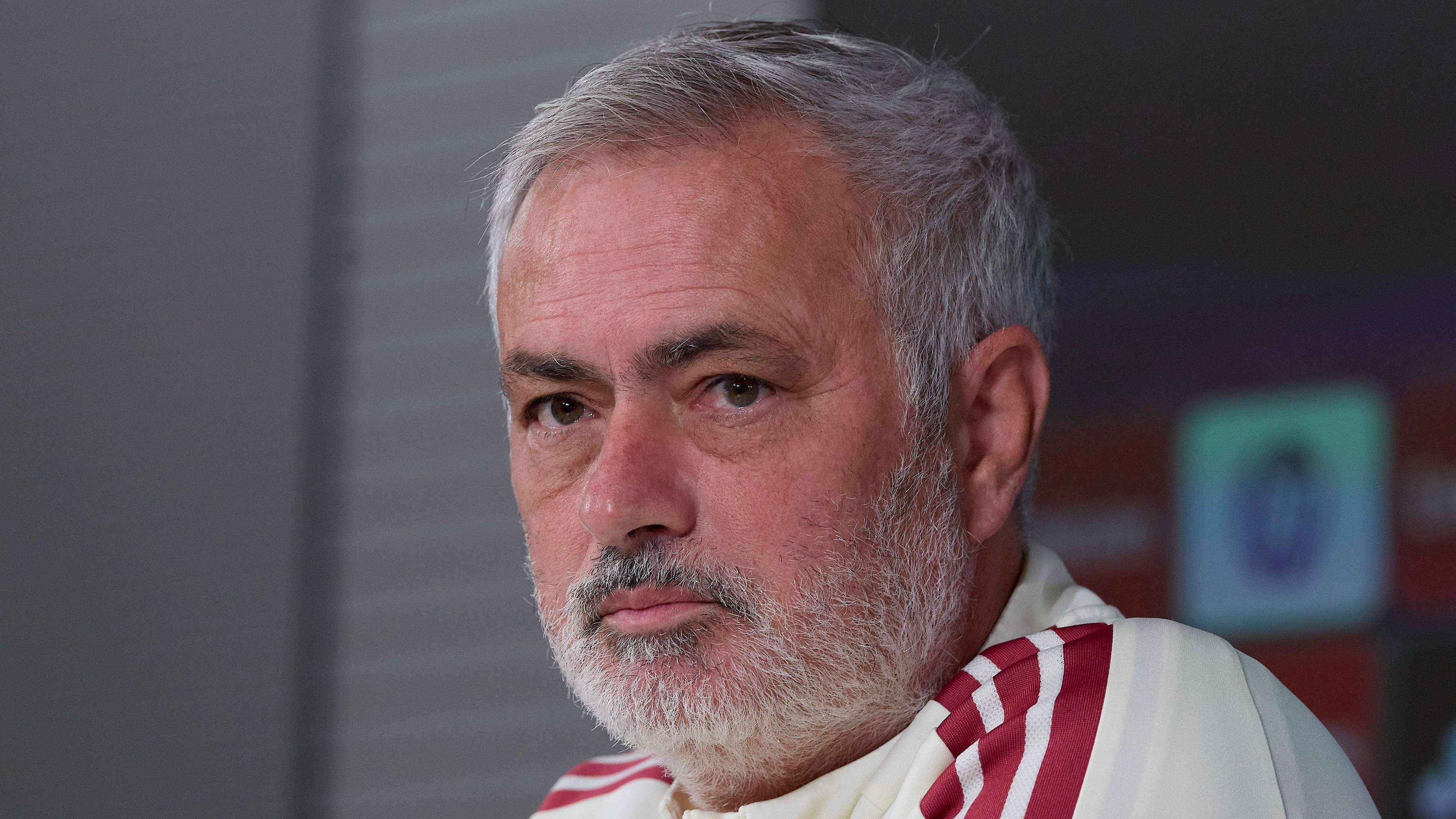
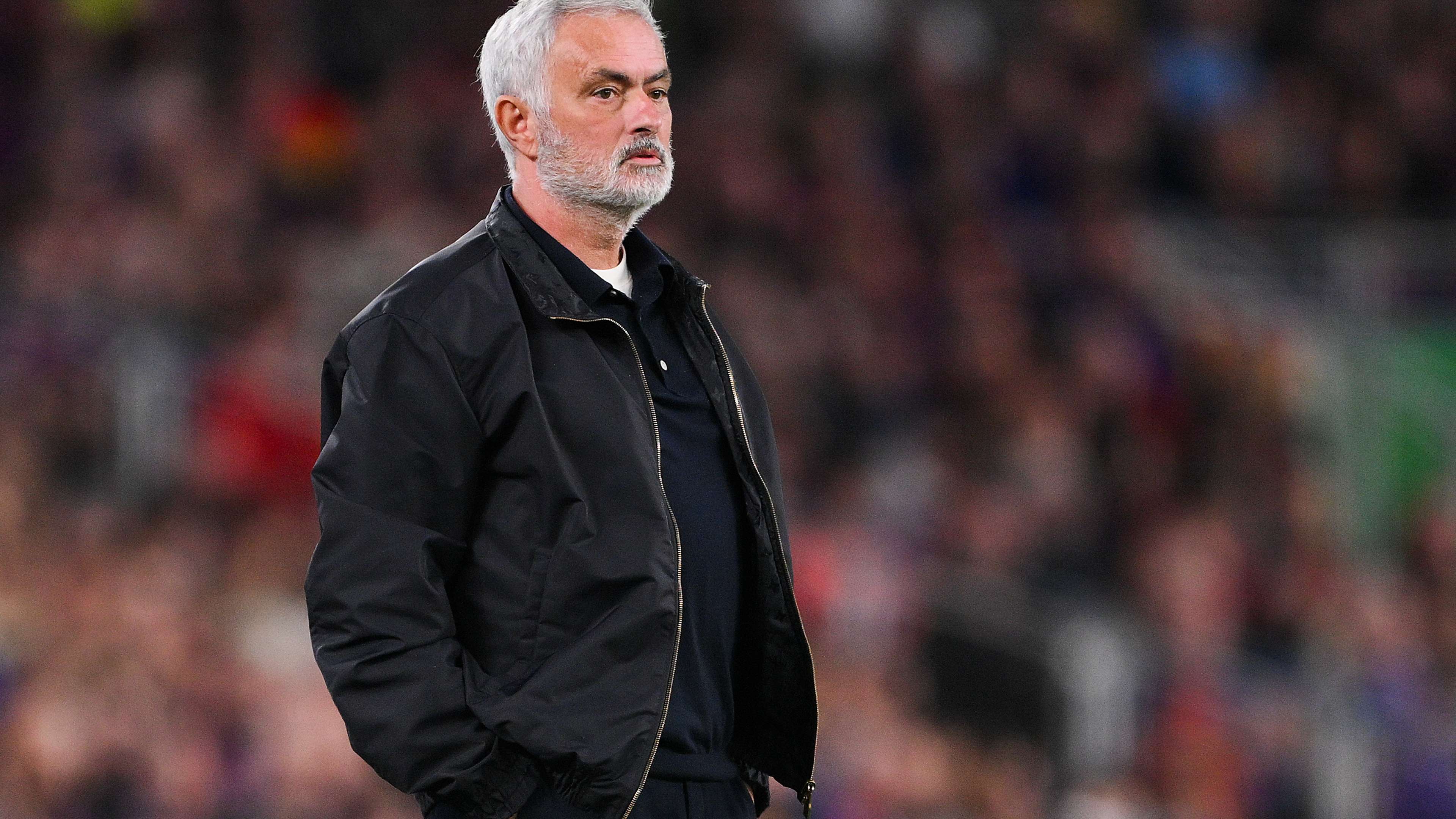
Mourinho adopted a more cautious approach when asked about the controversial penalty awarded to Kylian Mbappe against Racing Santander. Rather than offering a verdict on that decision, the Portuguese coach redirected attention to a separate incident involving Real Madrid midfielder Aurelien Tchouameni.
Racing Santander had been awarded a penalty after the ball struck Tchouameni’s hand. Mourinho argued that the ball had first rebounded off the player’s body, a detail he believed should have affected the referee’s judgment. He also acknowledged that he had not been close enough to assess the incident clearly from the touchline, saying that watching the replay on a tablet had helped him understand what happened.
Mourinho’s wider point was that supporters often interpret decisions emotionally. He observed that people watch matches “with their hearts” and suggested that not everyone is familiar with the relevant rules. It was a way of framing the debate around interpretation and understanding, while avoiding a direct assessment of the Mbappe penalty that had generated so much attention.
Why Refereeing Decisions Remain Central to Football Debate
Terzic and Mourinho’s contrasting responses highlight the different ways managers navigate controversy. One openly admitted that his team had benefited from a disputed call; the other declined to judge one incident and focused instead on a separate decision. Neither approach is unusual in football, where a coach’s words can influence headlines, supporter opinion and the pressure placed on officials.
Video technology can provide additional angles and slow-motion replays, but it does not eliminate disagreement. A replay may clarify where contact occurred, yet questions about its force, the defender’s intent and the attacker’s movement can still produce competing interpretations. The referee must make a decision in real time, while television audiences may review the moment repeatedly from perspectives unavailable on the pitch.
These details also matter beyond the immediate controversy. A penalty can change the tempo of a match, force the team that concedes to take greater risks and alter how both sides manage the remaining minutes. In a close derby, one decision can influence the result, the league standings and the way supporters evaluate a team’s performance.
What the Results Mean for the Next Match
Athletic’s 2-1 win over Real Sociedad gives the Bilbao side a valuable boost, but the manner of the victory ensures that discussion will continue. Terzic’s admission may earn him credit for candour, while Sociedad supporters are likely to remain focused on the referee’s decision and its impact on the derby.
For fans considering a football prediction for Athletic’s next fixture, the result offers evidence of the team’s ability to compete in a high-pressure match. However, one derby and one penalty should not be treated as a complete guide to future form. Recent performances, injuries, home advantage and the quality of upcoming opponents all remain important factors.
Ultimately, the weekend’s stories were about more than the scorelines. They showed how a single call can dominate a match narrative—and how differently two experienced coaches can respond when asked to discuss the officials. Terzic chose frankness; Mourinho chose caution. In a sport where every replay invites another argument, both reactions are likely to keep the debate alive.