
A Storm Brewing Against Lionel Messi: Fans Call for Stripping of “Princess of Asturias” Award
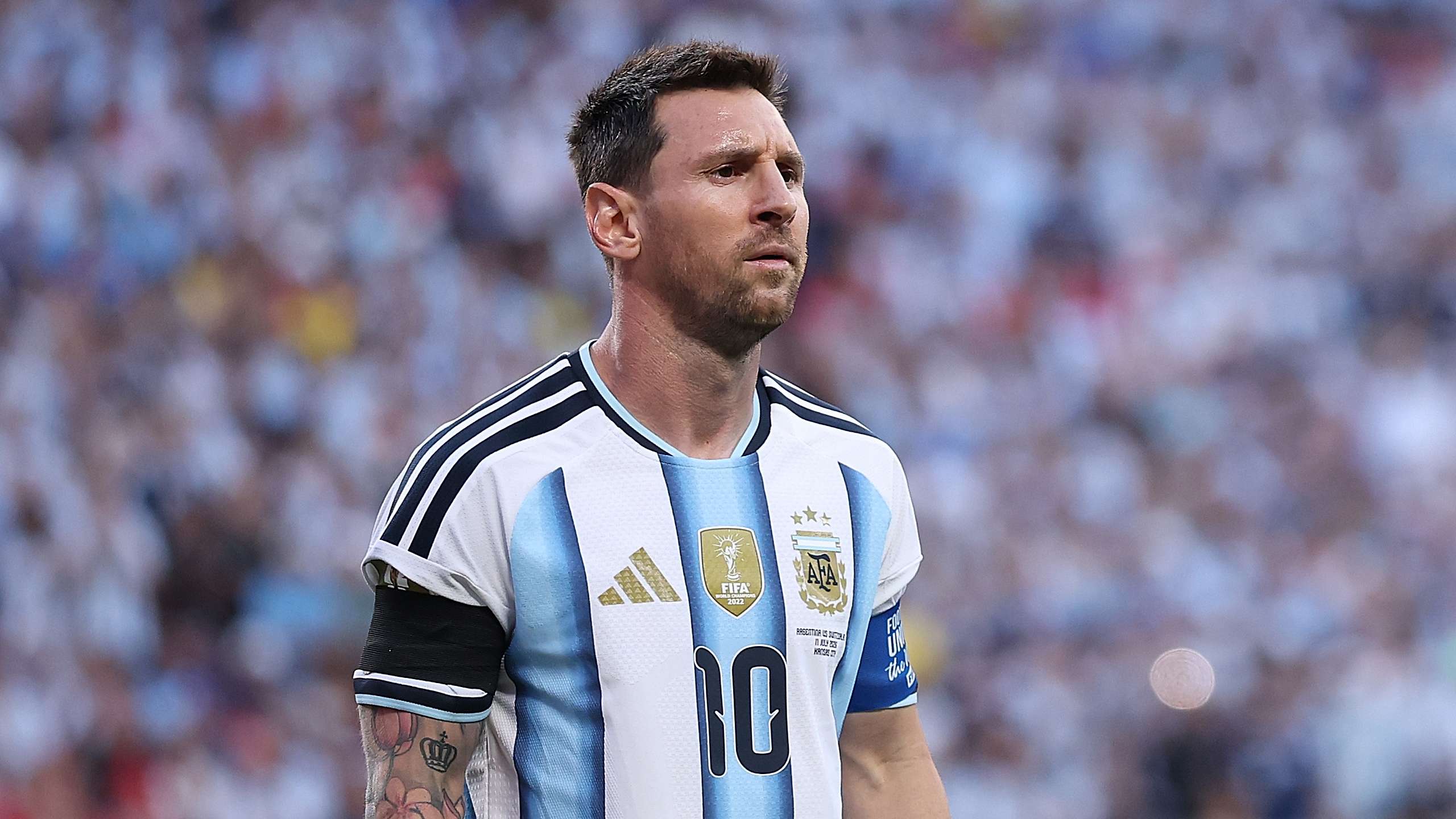
Recently, a signature campaign has been launched by thousands of football fans and followers, sparking a heated debate within the sports community. The focus of the campaign? Lionel Messi’s prestigious “Princess of Asturias” Award for Sport, which he was awarded in 2020.
Fans Upset Over Messi’s Actions and Behavior
Many supporters are now calling for Messi to be stripped of the award, citing his recent actions and behavior as reasons for their dissatisfaction. They argue that the football star has not lived up to the values of exemplary behavior, sportsmanship, and fair play that the prize represents.
While Messi was initially recognized for his inspiring career and his involvement in the “Together at Home” initiative launched by Barcelona during the COVID-19 pandemic, fans believe that his subsequent behavior has tarnished the award’s significance.
A Legal Roadblock
Despite the growing calls for Messi to be stripped of the award, a legal analysis of the “Princess of Asturias” Foundation’s regulations reveals a different story. The rules governing the award primarily focus on the nomination process, committee selection, and winner announcement.
There is no provision within the foundation’s regulations that allows for the award to be revoked or withdrawn once it has been officially granted. This means that, historically, the foundation has never rescinded the honor from any individual or institution, even in cases where controversy arose after the award was given.
Unlikely Outcome
While the signature campaign against Messi may be gaining traction, it ultimately holds no legal weight. The decision to revoke the award rests solely with the “Princess of Asturias” Foundation’s management, who have never entertained the idea of reversing or removing an award once it has been granted.
Given the foundation’s steadfast adherence to its regulations and the lack of any precedent for revoking the award, the likelihood of Messi being stripped of the “Princess of Asturias” Award remains a remote possibility with no legal basis.
Debate Among Sporting Circles
The campaign to strip Messi of the award has ignited a broader conversation within sporting circles about the accountability of award recipients. Some argue that athletes should be held to a higher standard of conduct, particularly when they are recipients of prestigious honors.
As Messi continues to add to his list of accolades, including multiple Ballon d’Or trophies, the debate over his suitability to hold the “Princess of Asturias” Award is likely to persist. However, without a clear legal pathway for revocation, the award remains in Messi’s possession for the foreseeable future.
It remains to be seen how this controversy will impact Messi’s reputation and standing within the football community.
The Impact of Public Opinion on Awards
Public opinion plays a significant role in shaping the perception of awards and the individuals who receive them. In the case of Lionel Messi and the “Princess of Asturias” Award, the backlash from fans highlights the importance of upholding the values associated with prestigious honors. When recipients fail to meet the expectations set by the award’s criteria, it can lead to a reevaluation of their worthiness to hold such accolades.
While the legal constraints prevent the immediate revocation of Messi’s award, the public outcry serves as a reminder that athletes, as public figures, are held to a higher standard of behavior. The scrutiny that comes with fame and recognition means that any misstep or controversy can have lasting repercussions on their reputation and legacy.
The Role of Athletes as Role Models
Athletes like Messi often serve as role models for aspiring sports enthusiasts, with their actions and conduct influencing a wide audience. The debate surrounding the retention of Messi’s award raises questions about the responsibilities that come with being a public figure. Should athletes be held accountable for their off-field behavior as much as their on-field performance?
The controversy surrounding Messi’s award highlights the blurred lines between personal conduct and professional achievements. While fans may admire Messi for his exceptional skills on the pitch, his behavior off the field can impact how he is perceived by the public and the sporting community at large.
The Future of Awards and Recognition
As the issue of award revocation gains attention in the case of Lionel Messi, it prompts a broader discussion about the transparency and accountability of awarding bodies. Should there be clearer guidelines in place for rescinding awards in cases of misconduct or controversy? How can the integrity of prestigious honors be maintained in the face of public scrutiny?
Moving forward, awarding institutions may need to reassess their policies to address situations where recipients’ actions do not align with the values the awards represent. The evolving landscape of sports and entertainment demands a more nuanced approach to honoring individuals who serve as ambassadors for their respective fields.
Conclusion
While the storm brewing against Lionel Messi and the “Princess of Asturias” Award may not result in the revocation of his accolade, it has sparked a necessary conversation about the expectations placed on athletes as role models and recipients of prestigious awards. The controversy surrounding Messi serves as a reminder that public perception can shape the legacy of even the most celebrated athletes, emphasizing the need for integrity, accountability, and exemplary conduct both on and off the field.
As the sporting world continues to evolve, the debate over the suitability of award recipients will likely persist, prompting a reevaluation of the criteria used to honor individuals who represent the pinnacle of their respective disciplines.