
Mourinho Faces Criticism After Racing Santander Defender’s Injury
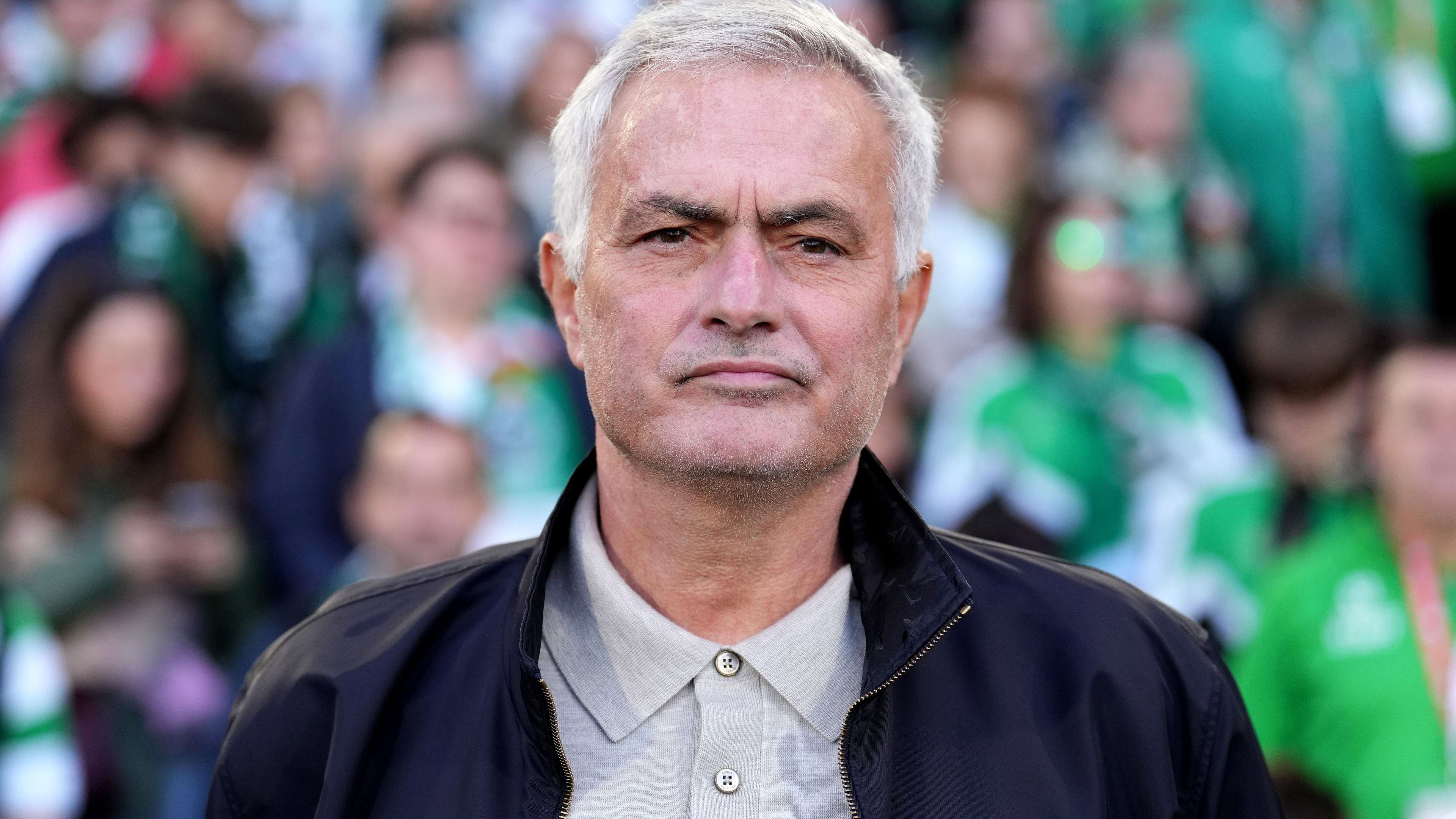
José Mourinho is facing criticism after his reaction to Álvaro Mantilla’s injury during Real Madrid’s match against Racing Santander. Toni Freixa, the former Barcelona presidential candidate, accused the Portuguese coach of showing a lack of sportsmanship and revived memories of Mourinho’s notorious confrontation with Tito Vilanova.
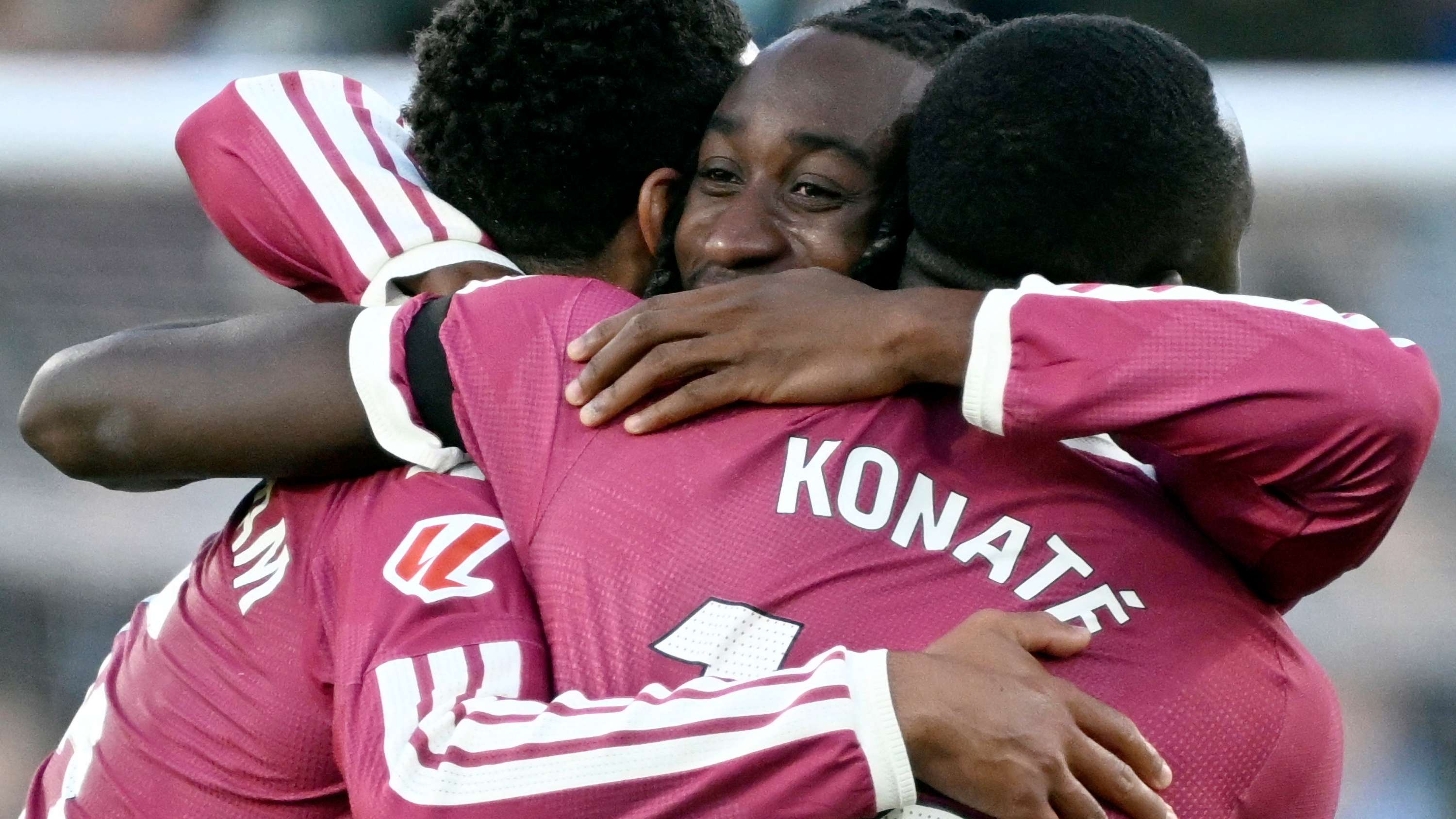
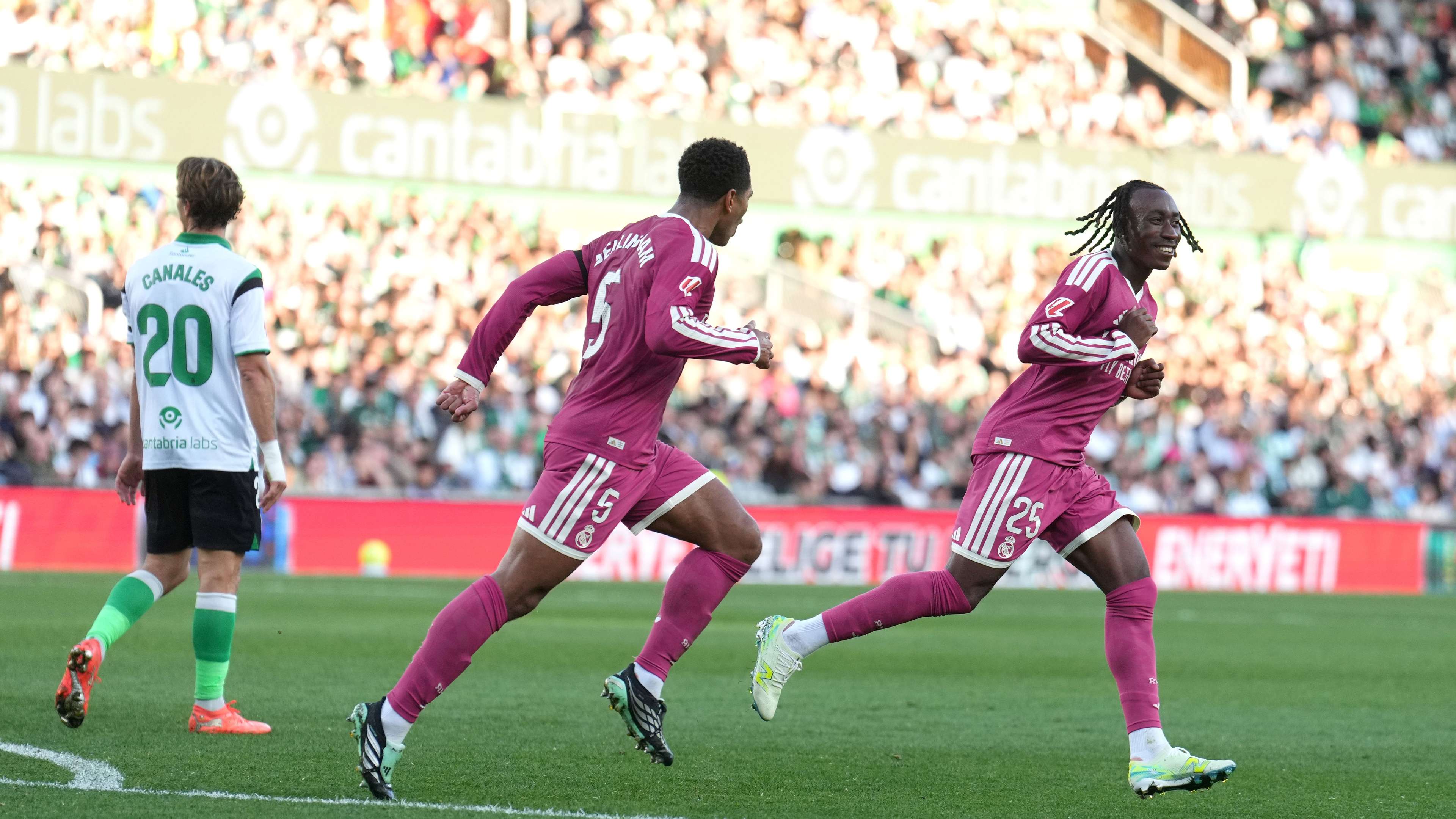
The incident occurred during a fast-moving first half in which Real Madrid built a three-goal lead. Kylian Mbappé’s penalty was among the key moments, but attention soon shifted to Mantilla, who went down inside the penalty area after a challenge and appeared to hurt his knee.
Concern grows after Mantilla leaves the pitch
Mantilla was unable to continue and limped off as Racing Santander’s medical staff assessed him. The injury prompted concern among supporters, particularly because knee damage can range from a short-term strain to a serious problem requiring surgery and a lengthy recovery. At the time of Freixa’s comments, the precise diagnosis had not been confirmed in the information available.
That uncertainty is important. An apparent injury on the pitch can look alarming, but only medical examinations can establish its severity. A scan and further assessment are typically needed before a club can confirm whether a ligament has been damaged, how long a player might be sidelined, or what treatment will be required.
As Mantilla received attention, Freixa took to X to criticise Mourinho’s conduct. He claimed the defender had suffered a cruciate ligament rupture and objected to gestures he said Mourinho made while the player was down. Freixa described the coach as “a bad person,” turning a football incident into a broader argument about respect and behaviour in the game.
Freixa recalls Mourinho’s clash with Vilanova
Freixa’s criticism did not end with the events in the match. He referred to the 2011 Spanish Super Cup, when Mourinho put a finger into the eye of then-Barcelona assistant coach Tito Vilanova during a heated Clasico. The confrontation became one of the most widely replayed images of that rivalry and remains a reference point whenever Mourinho’s touchline conduct is debated.
Freixa argued that the present incident reflected the same character, calling Mourinho both a “bad person” and a “bad sportsman.” His comments quickly drew attention because they connected a fresh moment of controversy to one of the most infamous episodes in modern Spanish football.
It is worth separating the confirmed events from the accusations. Mantilla did leave the field with a knee injury, and Freixa publicly criticised Mourinho’s reaction. However, the claim that the defender had ruptured his cruciate ligament was presented in Freixa’s post; it should not be treated as a confirmed medical diagnosis unless Racing Santander or the player’s medical team verifies it.
A flashpoint in a high-pressure match
Injury incidents can become especially contentious when they happen during a match already charged with emotion. Real Madrid were in control of the score, while Racing Santander were trying to contain a powerful attack. With a penalty and several major moments unfolding in quick succession, players, coaches and supporters were operating under intense pressure.
That context may help explain why reactions on the touchline can be interpreted in sharply different ways. A gesture might be seen by one observer as questioning whether a player is genuinely hurt, while another may view it as an emotional response to the flow of play. Without a complete account of what was said or intended, the incident is difficult to assess conclusively.
Still, coaches occupy a highly visible position, and their behaviour can influence the tone of a match. When an opponent is injured, a show of concern or restraint is often regarded as a basic sign of respect. Conversely, gestures that appear dismissive can quickly become a talking point, especially when they involve a figure with a long history of high-profile disputes.
Why Mourinho’s history remains part of the story
Mourinho’s career has been shaped by both major achievements and confrontations. His strong personality has helped define his public image, but it has also ensured that incidents from earlier seasons continue to influence how new controversies are received. For critics such as Freixa, the Vilanova episode provides a familiar example; for Mourinho’s supporters, past incidents should not automatically determine how a new moment is judged.
This tension is part of the wider football debate over the boundary between competitive intensity and unsporting behaviour. Managers are expected to defend their teams and challenge decisions, yet they are also role models watched by players, officials and millions of fans. The way they respond to injuries, refereeing calls and opponents can shape the atmosphere well beyond the touchline.
What happens next?
The most important development for Racing Santander will be an official update on Mantilla’s condition. If further tests confirm a serious ligament injury, the defender could face a significant spell away from the pitch. If the damage is less severe, his recovery timeline may be considerably shorter. Until the club provides more information, any firm prediction about his return would be premature.
The controversy surrounding Mourinho may also continue, particularly if more footage or statements clarify what happened as Mantilla received treatment. For now, the episode has added another talking point to a match dominated by Real Madrid’s early advantage: a serious-looking injury, an accusation from a prominent Barcelona figure, and renewed scrutiny of one of football’s most polarising coaches.
Whether supporters agree with Freixa or believe his comments went too far, the incident underlines how quickly a match can become about more than the scoreline. In the coming days, attention will turn both to Mantilla’s medical assessment and to whether Mourinho or Real Madrid responds to the criticism.