
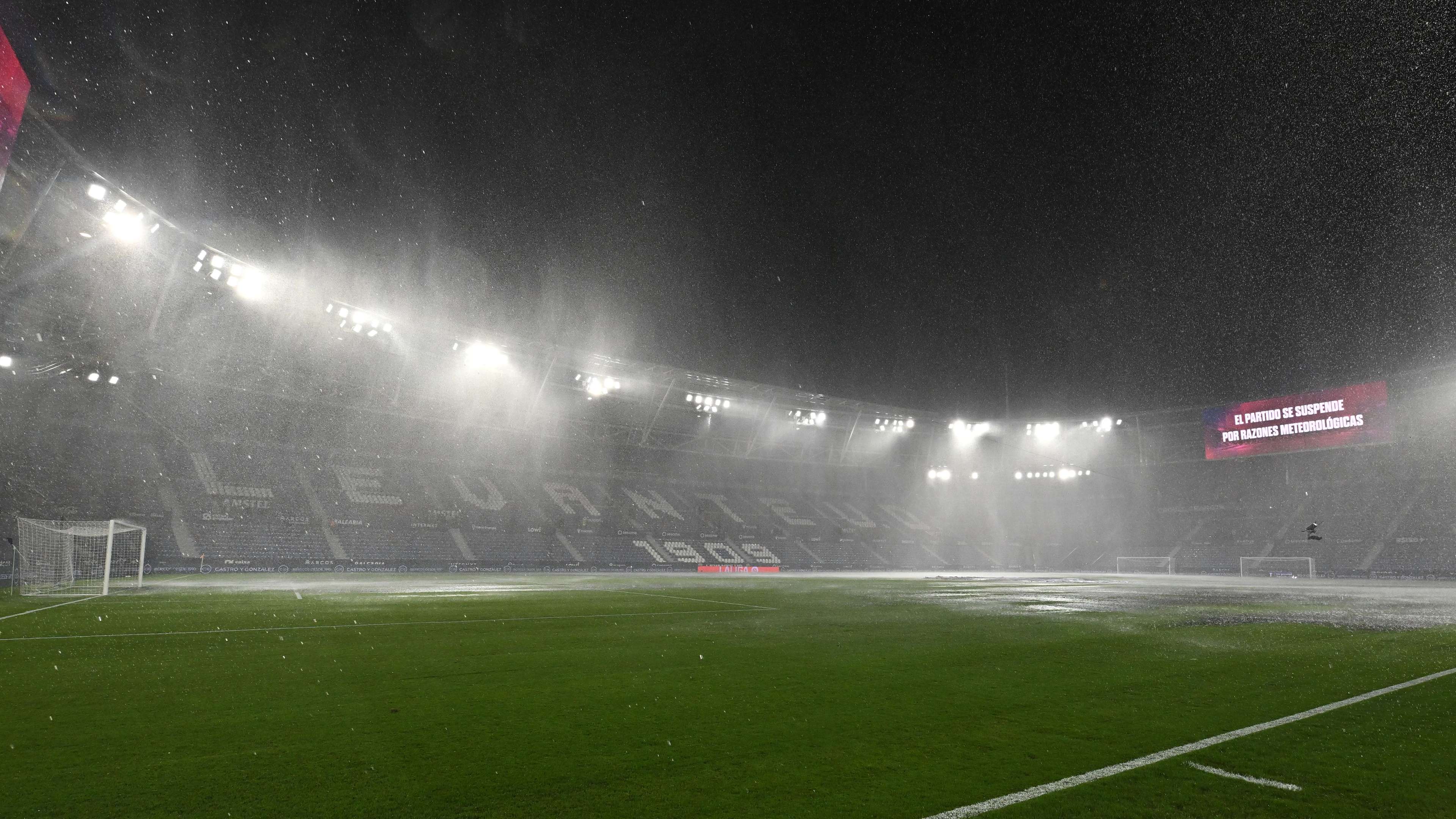

Heavy Rain Forces Postponement of Levante vs. Athletic Bilbao Match: A Weather-Driven Disruption in Spanish Football
In a dramatic turn of events that underscores the unpredictable nature of football scheduling, the highly anticipated La Liga fixture between Levante and Athletic Bilbao, scheduled for this evening at the iconic Ciutat de València stadium, has been officially postponed due to severe weather conditions. This unexpected development highlights the growing influence of meteorological factors on sports events and raises questions about scheduling flexibility in professional football.
Severe Weather Conditions Prompt Immediate Action
As football fans prepared for an exciting clash, the skies over Valencia darkened unexpectedly. The Spanish meteorological agency, known as AEMET, had issued an orange alert across the province of Valencia, warning of heavy rainfall and adverse weather conditions that could potentially impact outdoor activities. Despite the forecast, the players went through their warm-up routines on schedule, eager to kick off the match at 9:30 pm local time (10:30 pm Cairo time).
However, just thirty minutes before the scheduled kickoff, the heavens opened with relentless intensity. Torrential rain, driven by gusty winds, poured down on the city, turning the pristine pitch into a waterlogged field of mud and puddles. Spectators, many of whom had already arrived and taken their seats, found themselves soaked through as the rain seeped through the stadium’s covers, emphasizing the power of nature to disrupt even the best-laid plans.
The Impact on the Pitch and Match Logistics
The Ciutat de València stadium, known for its modern facilities and comprehensive roof covering all seating areas, was no match for the heavy downpour. The field, crucial for maintaining the standards of professional football, became unplayable within minutes. Photos circulated online showed water pooling across the grass, with floodwaters threatening to damage the playing surface permanently if the game proceeded under such conditions.
Adding to the complications, water flooding the tunnel leading out to the pitch created a dangerous and unmanageable environment for players, officials, and staff. The safety concerns prompted an emergency meeting involving referees, club representatives, and La Liga officials. Ultimately, the consensus was clear: the game could not continue in such hazardous conditions.
Official Postponement and Future Fixture Plans
Following a thorough assessment, the decision was made to postpone the fixture until a later date. As of now, no rescheduled date has been announced, leaving fans and stakeholders eager for updates. The postponement underscores the importance of flexibility in football scheduling, especially considering the increasing frequency of extreme weather events linked to climate change.
Looking ahead, Athletic Bilbao is set to face Alavés next Saturday, while Levante will travel to Villarreal on the following Sunday. These fixtures are crucial for the teams’ seasons, especially as they seek to climb the La Liga standings and secure vital points in their campaign.
Implications for Football Prediction and Betting Markets
The unexpected postponement of the Levante vs. Athletic Bilbao match has significant implications for football prediction enthusiasts and betting markets. Fans and analysts often base their predictions on scheduled fixtures, team form, and weather conditions. The disruption caused by heavy rain introduces a layer of unpredictability, compelling bettors to reassess their strategies.
Weather conditions, particularly heavy rain and wind, can dramatically influence game outcomes by affecting ball control, player stamina, and tactical approaches. For instance, teams with a strong aerial game or physical style may benefit in muddy conditions, while technically adept teams might struggle to execute precise passes. As such, betting predictions for upcoming matches will need to account for these variables, especially if weather conditions remain volatile.
Broader Context: Climate Change and Its Effect on Sports Scheduling
The postponement of this fixture is not an isolated incident but part of a larger trend reflecting changing climate patterns. Increasingly, sports leagues worldwide are faced with weather-related disruptions, forcing organizers to adapt their scheduling and infrastructure investments. Some leagues have begun exploring options such as retractable roofs, improved drainage systems, and flexible match calendars to mitigate these challenges.
Football governing bodies are also considering the environmental impact of scheduling decisions, aiming to balance the integrity of the sport with safety and sustainability. As climate change continues to influence weather patterns, expect more proactive measures to ensure that matches can proceed safely without compromising the quality of the game or the safety of players and spectators.
Community and Fan Engagement Amid Disruptions
While postponements can be disappointing for fans eager to see their teams in action, they also serve as a reminder of the importance of safety and responsible event management. Football clubs and leagues are increasingly engaging with supporters through digital platforms, providing real-time updates and alternative content to keep fans connected during such disruptions.
Many fans have taken to social media to express their understanding, sharing photos of the rainy evening and discussing predictions for the rescheduled fixtures. Forums like Kooora have become vibrant spaces for fans to analyze potential outcomes, considering factors like weather impacts, team form, and tactical adjustments.
Final Thoughts: The Resilience of Football Amid Nature’s Challenges
The postponement of the Levante versus Athletic Bilbao match underscores the resilience and adaptability of football as a sport. While weather disruptions are frustrating, they highlight the sport’s intrinsic dependence on environmental conditions and the need for innovative solutions to ensure safety and continuity.
As teams prepare for their upcoming fixtures, and fans await new dates, this incident serves as a powerful reminder of the unpredictable beauty of football—where passion, skill, and a bit of luck are constantly influenced by forces beyond human control. With climate change making such disruptions more common, the football community must continue to evolve, embracing both technological advancements and sustainable practices to safeguard the future of the beautiful game.
Conclusion
The heavy rain that led to the postponement of a key La Liga fixture between Levante and Athletic Bilbao exemplifies the growing importance of weather considerations in football predictions and scheduling. While such disruptions can be disappointing, they also offer an opportunity for leagues to innovate and adapt to changing environmental realities. Fans, players, and officials alike must remain flexible and resilient, ensuring that the sport continues to thrive even in the face of nature’s unpredictability.